The open office era — launched in the 2000s and accelerated by the early-stage startup boom — is winding down. So is the all-cubicle paradigm of the 1990s. What's replacing both: the intentional hybrid workplace, designed for a mix of in-person collaboration, focused individual work, and distributed team participation. The companies getting this right are seeing measurable gains. The ones running a Zoom-only hybrid policy on top of an open floor plan are not.
Why Open Offices Failed
Acoustic disruption. Visual distraction. Loss of focused work capacity. Studies consistently show 15-30% productivity loss for focus-intensive roles in fully open layouts. Open offices also discouraged spontaneous collaboration — employees retreated to headphones rather than engaging colleagues.
Why a Remote Policy Alone Isn't Enough
Sending people home doesn't fix the office. When they return for in-person collaboration days, they encounter the same acoustic and focus problems that drove them away in the first place. The result: low office attendance, declining team cohesion, and a real estate footprint that's still paying for under-utilized space.
What Actually Works: Activity-Based Workspace
The successful hybrid office provides distinct zones for distinct work modes:
- Focus zones. Quiet rooms, individual focus pods, acoustically managed areas for deep work.
- Collaboration zones. Open team areas, whiteboard walls, project rooms for active work.
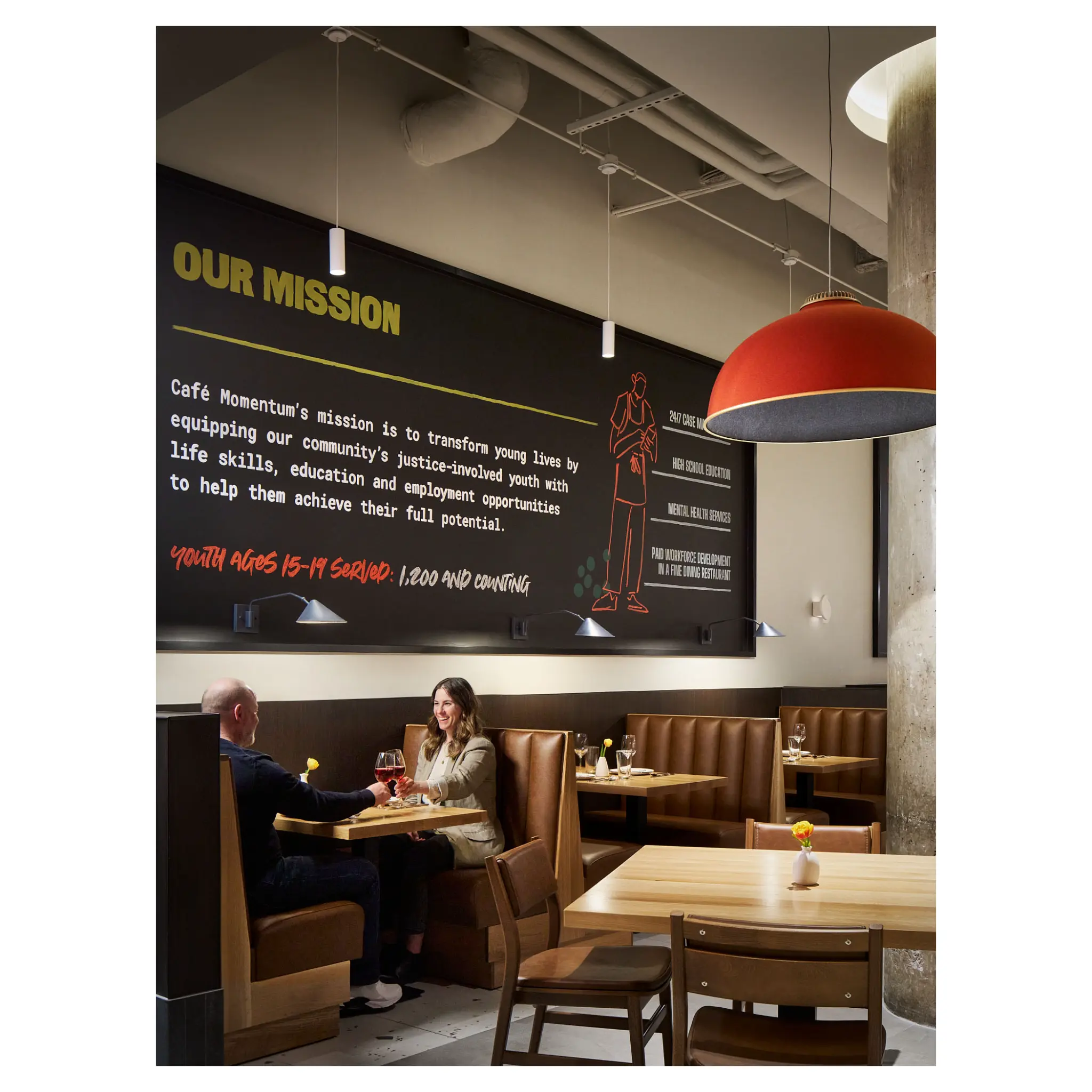
- Learning and social zones. Town halls, cafes, lounge areas that build culture.
- Video-equipped huddle rooms. Small rooms designed for hybrid meetings where remote participants are equal voices.
The Technology Layer
Activity-based work requires technology equity: video infrastructure that captures all participants equally, room booking systems that prevent friction, and occupancy data to optimize the space over time.
The Real Estate Math
Properly designed hybrid offices typically reduce total square footage 20-30% versus the pre-pandemic footprint — while improving employee satisfaction. The reclaimed budget often funds the higher per-square-foot quality required to make the smaller footprint compelling.
How to Run the Transition
Don't lift-and-shift a remote work policy onto an existing floor plan. Start with workplace strategy: how does your team actually work, and what zones best support that work? Then design intentionally. CIG's project teams coordinate workplace strategists, architects, technology vendors, and contractors so the transition lands as a unified experience.
Plan your hybrid transition with a team that has executed dozens of them.